How To Mitigation Of DDoS Attacks Business Using Your Childhood Memories
We will explore various mitigation options for DDoS attacks in this article. This includes network configuration affordable mitigation solutions, and the impact of mitigation on service availability. We'll also look at the benefits and disadvantages of DDoS mitigation. This should aid you in choosing the appropriate security option for your network. The information isn't exhaustive however it can be an excellent foundation.
 Protection against DDoS Attacks
DDoS attacks have reached speeds of as high as 1 Tbps in the third quarter of 2019. They are different in their objectives and methods. Therefore mitigation methods must be evaluated in conditions that mimic the real-world environment. New mitigation techniques must be tested in diverse networks to ensure that they can withstand high-scale attacks. Network visibility is essential for identifying DDoS attacks and responding to them.
In a DDoS attack the network is overloaded with traffic. The volumetric attacks can overwhelm bandwidth by sending large amounts of fake UDP packets to a false IP address. The response traffic is bombarded by fake packets. Fortunately, DDoS attacks can be identified early and prevented by utilizing effective mitigation strategies. DDoS mitigation is essential to the security of any online business.
Several strategies are used for DDoS mitigation. Combining these strategies can reduce the number of attacks. These strategies are built on machine learning and message statistics. The techniques used for mitigation should be in real-time. The process of balancing traffic will ease the burden on computing resources and storage systems, and provide a temporary resistance to the abnormal traffic. Finally, traffic filtering is used to detect and block DDoS attacks. The filter will detect abnormal traffic and ensure that normal traffic is forward normally.
DDoS attacks are more severe when attackers inject large amounts of forged packets in multiple switches. The forged packets will generate many packet-in messages that will cause the last-hop switch to issue more forwarding policies that are based on the actual destination address. A DDoS attack can cause a severe impact on the controller of a destination domain.
One way to limit DDoS attacks is to upgrade your bandwidth. While increasing bandwidth can help reduce traffic jams and absorb more traffic, it will not stop all attacks. The volumetric DDoS attacks is growing quickly. Last year, a single attack on a website surpassed 1 Tbps. A second attack on the same site was carried out a few days later and reached 1.7 Tbps. The consequences of a DDoS attack can cause a lot of damage to a brand's reputation.
Cost of mitigation solutions
There are a variety of options, however, a DDoS mitigation solution is costly. The cost of such a solution can be determined by the amount of latency it creates, as well as the legal and regulatory costs associated with it. A DDoS solution must be customized to the specific requirements of the business. For instance there are many DDoS attacks are stopped by allowing legitimate HTTP traffic to the network. Other options include removing non-application traffic as well as UDP packets that have no Application Design payloads. However, no mitigation method can be perfect. It must to take on all traffic from attackers.
DDoS attacks can differ in their patterns and vectors. The types of attacks change as the Internet changes. This is why it's crucial to select a DDoS mitigation service that has an extensive network that can detect and respond to attacks as swiftly as you can. Cloudflare can analyze traffic from all around the world and handle requests from millions of websites. If an attack is greater than the capacity of the network it will overwhelm it.
The cost of DDoS mitigation solutions can vary considerably. While some solutions are completely automated, others require professional assistance for customers. If you can, consider an entirely automated DDoS mitigation solution that comes with security assistance. If you can, choose one with a security operations center (SOC) that permits security experts to be all hours of the day. These services will be able to monitor the health of your infrastructure.
DDoS mitigation solutions should be adaptable. The kind of network you're using and the amount of traffic you experience will be a factor in determining the DDoS mitigation solution is the best for you. The cost of DDoS mitigation solutions must be reasonable, however, you should be sure that the solution is worth the cost. Consider alternatives if you find the cost too high. Consider a cloud-based DDoS mitigation service instead.
DDoS attacks can impact businesses in a variety of ways. They can harm reputations and negatively impact revenue. Large-scale e-businesses could be able to lose up to $33k each minute during peak hours of business. In addition to downtime mitigation strategies should be able to minimize the risk of attacks. They can also ensure that valid traffic flows are maintained. Effective mitigation is vital because the price of a DDoS attack could be substantial.
DDoS attacks can be mitigated through network configuration
Load-balancers and specially designed web-application firewalls can be useful in protecting your website from DDoS attacks. Configuring your network to reduce DDoS attacks should be tested and checked on a quarterly basis. Your partner should be informed on your current assets, configurations, and business needs. Contact us if you require assistance. We can help you reduce DDoS attacks, and we are more than happy to provide you with additional details.
To reduce DDoS attacks, begin by setting up your network. Consider using geographically-distributed servers. This makes it difficult for an attacker to attack more than a limited portion of your servers. You can block specific IP addresses and UDP port 53 if you are not able to establish servers distributed across the globe. You can also configure your firewall to block incoming IPMP packets. Blocking UDP port 53 will help prevent certain volumetric attacks.
Making use of using a CDN network to block malicious requests can be helpful. CDN networks offer numerous layers of protection which can help balance traffic and prevent hackers from reaching your server. Multi CDN solutions can utilize multiple CDN providers and a multi-terabit-per-second global network to protect your website from DDoS attacks. The CDN network can prevent DDoS attacks before they happen by leveraging multiple CDN providers to filter incoming traffic and then distribute it across multiple servers.
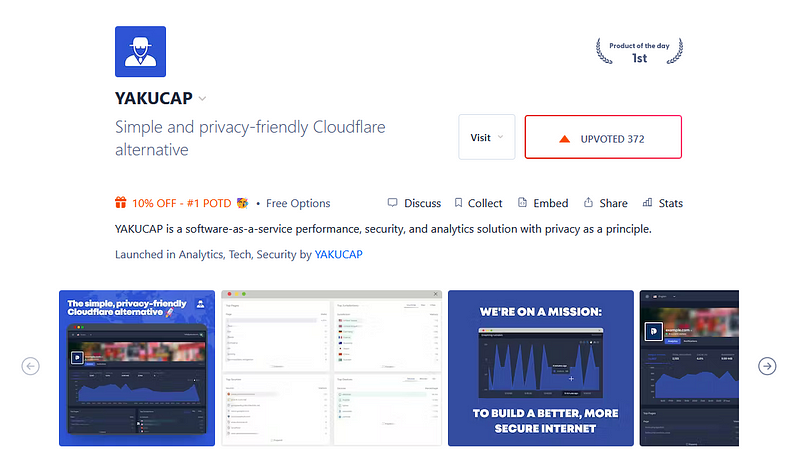
A denial-of-service (DDoS) attack is a method of causing chaos to servers by overloading them with thousands of malicious connections or requests. These network connections consume bandwidth, memory, processing power, and product hunt Product of the Day block legitimate traffic. This causes websites to be unavailable. Flood attacks, on the other side will flood a server group with large amounts of data. These attacks are often generated by botnets that have been compromised.
There are also special software and appliances that protect against DDoS attacks. Employing commercial firewalls for networks load balancers as well as specialty DDoS mitigation equipment can shield your website from Layer 4 attacks. Other options include hardware upgrades. Modern hardware can automatically close TCP connections when a certain threshold is reached. The appliances can be bought when you are not able to afford them. It is essential to secure your website.
Impact of mitigation on service availability
The Service's revised Mitigation Policy is designed to implement the guiding principles described in 600 DM 6 and the Secretary's Order. The policy also provides mitigation for the conservation of threatened or endangered species. However, the Service has not yet determined whether or Application Design the use of mitigation is appropriate in all situations. To ensure that the Policy is effective The Service must define mitigation and its application in the incidental take statements and its methodology.
Protection against DDoS AttacksDDoS attacks have reached speeds of as high as 1 Tbps in the third quarter of 2019. They are different in their objectives and methods. Therefore mitigation methods must be evaluated in conditions that mimic the real-world environment. New mitigation techniques must be tested in diverse networks to ensure that they can withstand high-scale attacks. Network visibility is essential for identifying DDoS attacks and responding to them.
In a DDoS attack the network is overloaded with traffic. The volumetric attacks can overwhelm bandwidth by sending large amounts of fake UDP packets to a false IP address. The response traffic is bombarded by fake packets. Fortunately, DDoS attacks can be identified early and prevented by utilizing effective mitigation strategies. DDoS mitigation is essential to the security of any online business.
Several strategies are used for DDoS mitigation. Combining these strategies can reduce the number of attacks. These strategies are built on machine learning and message statistics. The techniques used for mitigation should be in real-time. The process of balancing traffic will ease the burden on computing resources and storage systems, and provide a temporary resistance to the abnormal traffic. Finally, traffic filtering is used to detect and block DDoS attacks. The filter will detect abnormal traffic and ensure that normal traffic is forward normally.
DDoS attacks are more severe when attackers inject large amounts of forged packets in multiple switches. The forged packets will generate many packet-in messages that will cause the last-hop switch to issue more forwarding policies that are based on the actual destination address. A DDoS attack can cause a severe impact on the controller of a destination domain.
One way to limit DDoS attacks is to upgrade your bandwidth. While increasing bandwidth can help reduce traffic jams and absorb more traffic, it will not stop all attacks. The volumetric DDoS attacks is growing quickly. Last year, a single attack on a website surpassed 1 Tbps. A second attack on the same site was carried out a few days later and reached 1.7 Tbps. The consequences of a DDoS attack can cause a lot of damage to a brand's reputation.
Cost of mitigation solutions
There are a variety of options, however, a DDoS mitigation solution is costly. The cost of such a solution can be determined by the amount of latency it creates, as well as the legal and regulatory costs associated with it. A DDoS solution must be customized to the specific requirements of the business. For instance there are many DDoS attacks are stopped by allowing legitimate HTTP traffic to the network. Other options include removing non-application traffic as well as UDP packets that have no Application Design payloads. However, no mitigation method can be perfect. It must to take on all traffic from attackers.
DDoS attacks can differ in their patterns and vectors. The types of attacks change as the Internet changes. This is why it's crucial to select a DDoS mitigation service that has an extensive network that can detect and respond to attacks as swiftly as you can. Cloudflare can analyze traffic from all around the world and handle requests from millions of websites. If an attack is greater than the capacity of the network it will overwhelm it.
The cost of DDoS mitigation solutions can vary considerably. While some solutions are completely automated, others require professional assistance for customers. If you can, consider an entirely automated DDoS mitigation solution that comes with security assistance. If you can, choose one with a security operations center (SOC) that permits security experts to be all hours of the day. These services will be able to monitor the health of your infrastructure.
DDoS mitigation solutions should be adaptable. The kind of network you're using and the amount of traffic you experience will be a factor in determining the DDoS mitigation solution is the best for you. The cost of DDoS mitigation solutions must be reasonable, however, you should be sure that the solution is worth the cost. Consider alternatives if you find the cost too high. Consider a cloud-based DDoS mitigation service instead.
DDoS attacks can impact businesses in a variety of ways. They can harm reputations and negatively impact revenue. Large-scale e-businesses could be able to lose up to $33k each minute during peak hours of business. In addition to downtime mitigation strategies should be able to minimize the risk of attacks. They can also ensure that valid traffic flows are maintained. Effective mitigation is vital because the price of a DDoS attack could be substantial.
DDoS attacks can be mitigated through network configuration
Load-balancers and specially designed web-application firewalls can be useful in protecting your website from DDoS attacks. Configuring your network to reduce DDoS attacks should be tested and checked on a quarterly basis. Your partner should be informed on your current assets, configurations, and business needs. Contact us if you require assistance. We can help you reduce DDoS attacks, and we are more than happy to provide you with additional details.
To reduce DDoS attacks, begin by setting up your network. Consider using geographically-distributed servers. This makes it difficult for an attacker to attack more than a limited portion of your servers. You can block specific IP addresses and UDP port 53 if you are not able to establish servers distributed across the globe. You can also configure your firewall to block incoming IPMP packets. Blocking UDP port 53 will help prevent certain volumetric attacks.
Making use of using a CDN network to block malicious requests can be helpful. CDN networks offer numerous layers of protection which can help balance traffic and prevent hackers from reaching your server. Multi CDN solutions can utilize multiple CDN providers and a multi-terabit-per-second global network to protect your website from DDoS attacks. The CDN network can prevent DDoS attacks before they happen by leveraging multiple CDN providers to filter incoming traffic and then distribute it across multiple servers.
A denial-of-service (DDoS) attack is a method of causing chaos to servers by overloading them with thousands of malicious connections or requests. These network connections consume bandwidth, memory, processing power, and product hunt Product of the Day block legitimate traffic. This causes websites to be unavailable. Flood attacks, on the other side will flood a server group with large amounts of data. These attacks are often generated by botnets that have been compromised.
There are also special software and appliances that protect against DDoS attacks. Employing commercial firewalls for networks load balancers as well as specialty DDoS mitigation equipment can shield your website from Layer 4 attacks. Other options include hardware upgrades. Modern hardware can automatically close TCP connections when a certain threshold is reached. The appliances can be bought when you are not able to afford them. It is essential to secure your website.
Impact of mitigation on service availability
The Service's revised Mitigation Policy is designed to implement the guiding principles described in 600 DM 6 and the Secretary's Order. The policy also provides mitigation for the conservation of threatened or endangered species. However, the Service has not yet determined whether or Application Design the use of mitigation is appropriate in all situations. To ensure that the Policy is effective The Service must define mitigation and its application in the incidental take statements and its methodology.